8-minute read, TL;DR at the end
When you think about Manchester, you’re likely to conjure up images of its infamous bee—it’s peppered throughout the city, on its street furniture and in our collective psyche.
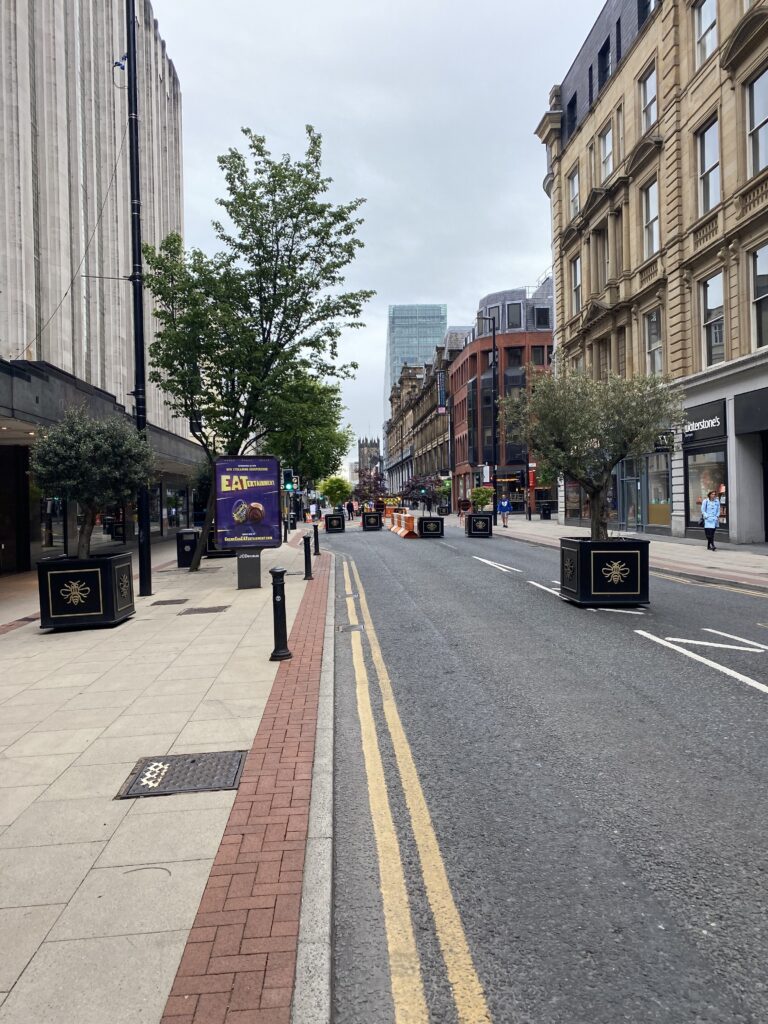
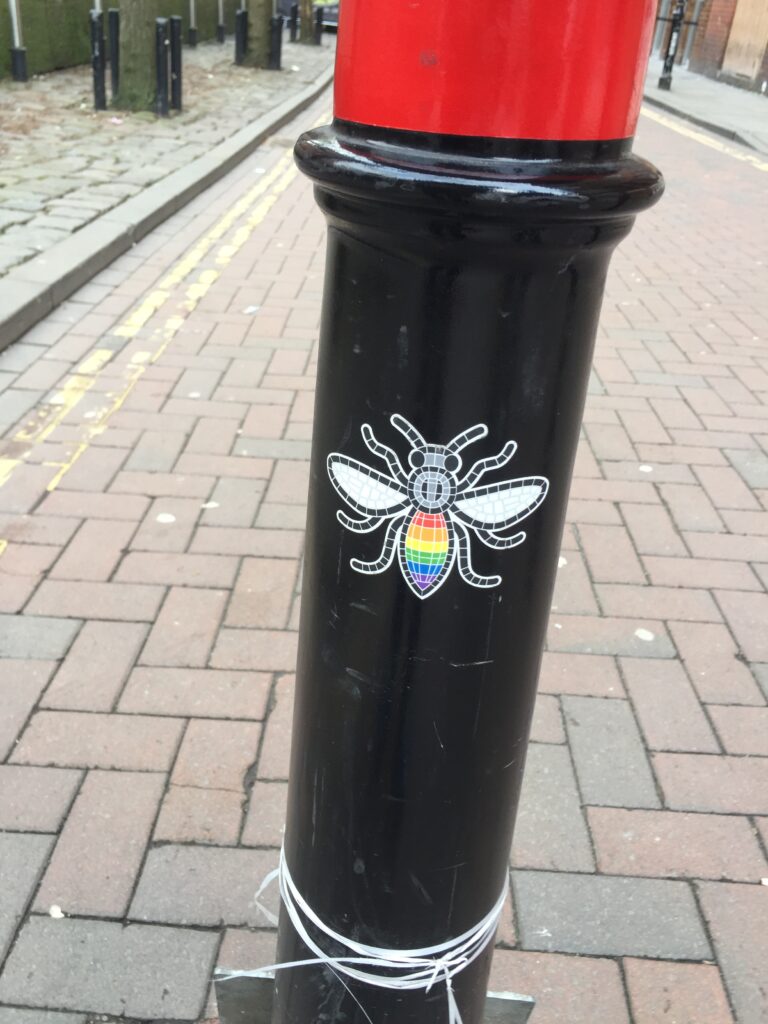
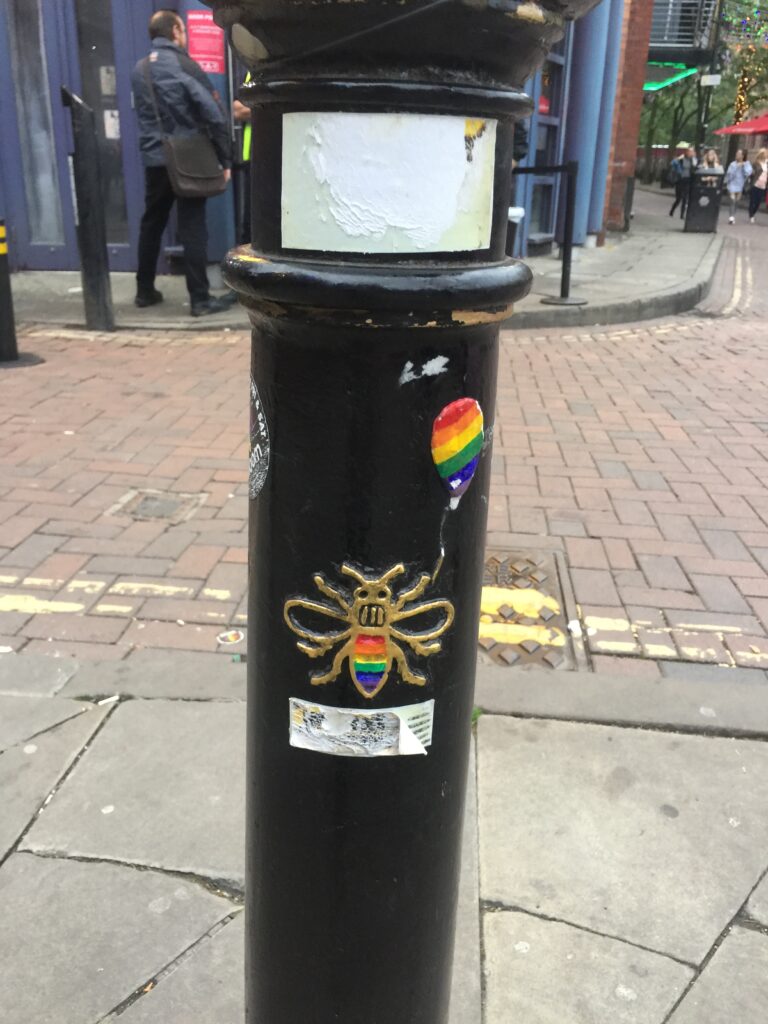
However, the bee is a relatively modern construct, as the city used to have white doves as its mascot. Throughout the 1980s and 90s, doves appeared all over the city, on street signs, buses, and posters, accompanied by the legend: “Working for a nuclear-free city.”
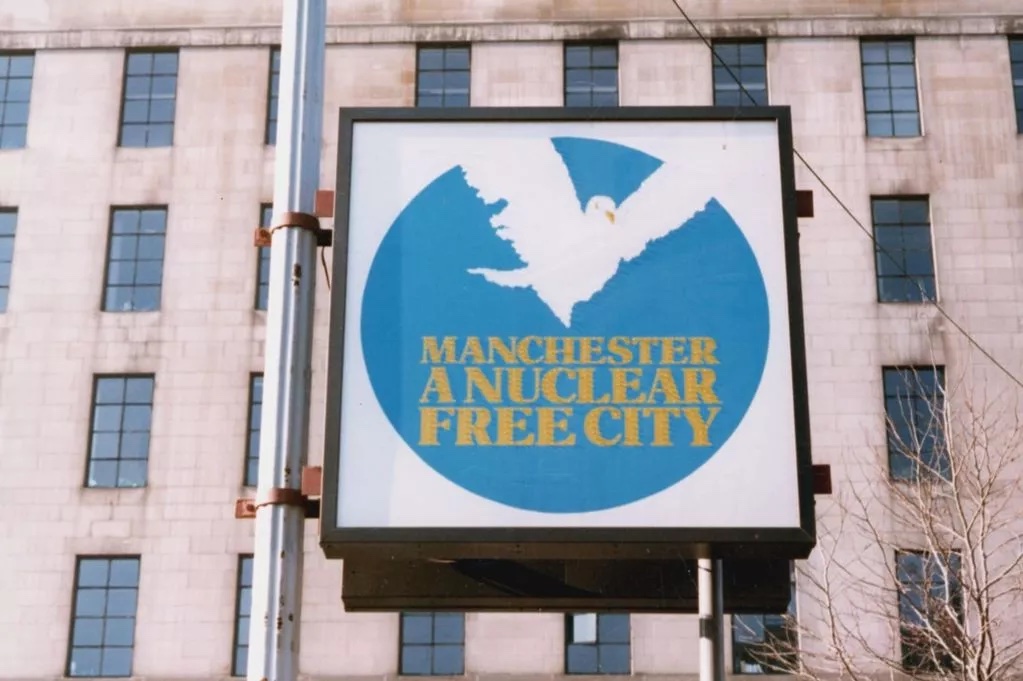
But why? For that, we need to head back to the 1980s, when the city once declared itself a nuclear-free zone, not merely a symbolic gesture; it was a powerful political statement made during the intense pressures of the Cold War. Driven by a profound concern over the escalating threat of nuclear conflict and a desire to promote peace and disarmament at the local level actively, Manchester City Council took a decisive step by calling on the government to refrain from the manufacture or positioning of any nuclear weapons within the city’s boundaries.
In the wake of this significant decision, the Council resolved to create a physical space that would serve as a lasting testament to the city’s unwavering commitment to peace. This vision materialised in the form of the Manchester Peace Garden, established in the northern part of St Peter’s Square. The garden was conceived as a sanctuary within the bustling city centre, a dedicated public space intended for quiet reflection and contemplation on the importance of peace.
Manchester City Council organised a “Sculpture for Peace” competition in 1985. This initiative aimed to commission a public artwork that would embody the spirit of the newly established Peace Garden.
The winning entry came from the talented sculptor Barbara Pearson, whose design for the “Messenger of Peace” statue captured the essence of the competition’s theme. Completed and installed in the Peace Garden in 1986, the bronze statue depicted a seated female figure, radiating an aura of serenity, with doves gracefully surrounding her and resting on her lap. The symbolism inherent in the statue is rich and multifaceted. The woman can be interpreted as an allegorical representation of peace, hope, and perhaps even the vulnerability of peace in a world threatened by conflict. The doves, universally recognised as symbols of peace, freedom, and in some traditions, the Holy Spirit, further amplified this message.
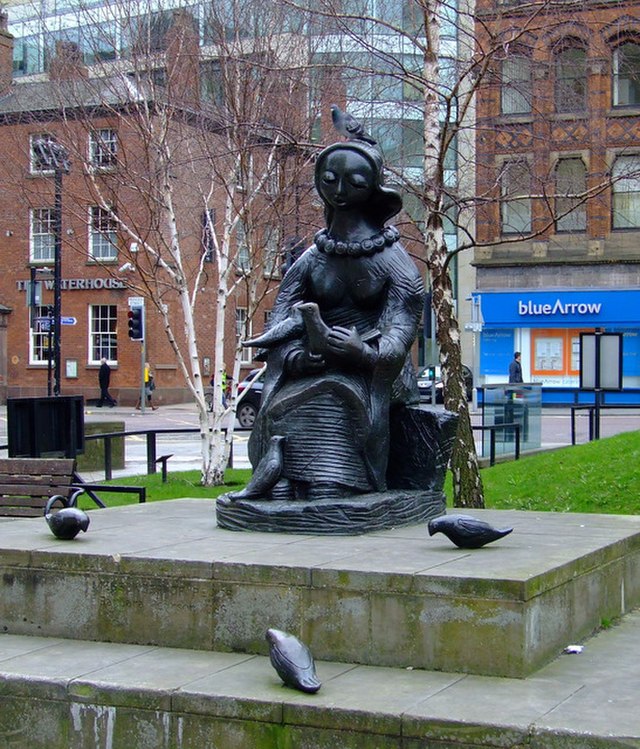
The statue’s inscription read “Sponsored by the Planning Committee of Manchester City Council” and “The World’s First Nuclear Free City“.
An interesting anecdote from the statue’s early history recounts that three of the doves were stolen shortly after its installation, necessitating their replacement by the sculptor.
The Peace Gardens were incredibly popular among residents and visitors alike. The space offered a place of solitude, as the following review left on Yelp back in 2010:
One of the things I like most about Manchester is the amount of green areas, squares and parks that are around, even right in the middle of Manchester.
Manchester Peace Gardens is right behind the town hall and near the Library, one of the busiest areas of Manchester. Somehow, it manages to be a peaceful (it’s in the name, yeah) and relaxing area despite being surrounded by trams, cars, and buses.
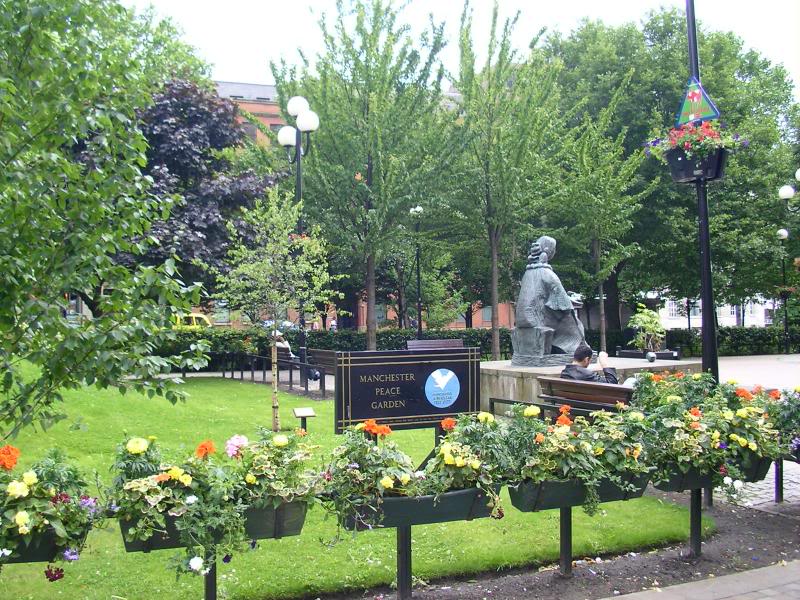
As Manchester continued to evolve, the urban landscape of the city centre underwent significant transformations. Between 2010 and 2017, St Peter’s Square, the home of the Peace Garden and the “Messenger of Peace” statue, was subject to a comprehensive redevelopment. This ambitious project was driven by the city’s growth and the pressing need to modernise its infrastructure to meet the demands of a thriving metropolis. A primary catalyst for this urban renewal was the crucial expansion of the Metrolink tram system, an essential undertaking to improve public transportation connectivity and accommodate the increasing number of passengers relying on the network. Additionally, the city aimed to strategically create a contemporary office quarter within the St Peter’s Square area to attract businesses, stimulate economic growth, and further enhance Manchester’s standing as a significant European city.
Regrettably, this large-scale redevelopment necessitated the removal of the original Peace Garden from its established location in the northern part of St Peter’s Square. The relocation of other prominent monuments within St Peter’s Square, such as the Cenotaph, further underscored the extent of the transformation, indicating the significant changes taking place in the civic heart of Manchester.
The Manchester Peace Garden found a new home in Lincoln Square, a public space just off Albert Square and Deansgate in 2014. The new location in Lincoln Square features the prominent statue of Abraham Lincoln as a central element. This connection to a figure deeply associated with the abolition of slavery adds another significant layer of meaning to the peace garden, linking the pursuit of peace with the struggle for social justice and human rights. The relocated garden also thoughtfully incorporates ginkgo trees, grown from the seeds of trees that remarkably survived the atomic bombing of Hiroshima in 1945. These trees symbolise resilience, the capacity for regeneration even after immense destruction, and the enduring hope for peace in the face of nuclear devastation.
I recommend reading the M4P briefing on the significance of the Peace Garden, as it’s pretty comprehensive.
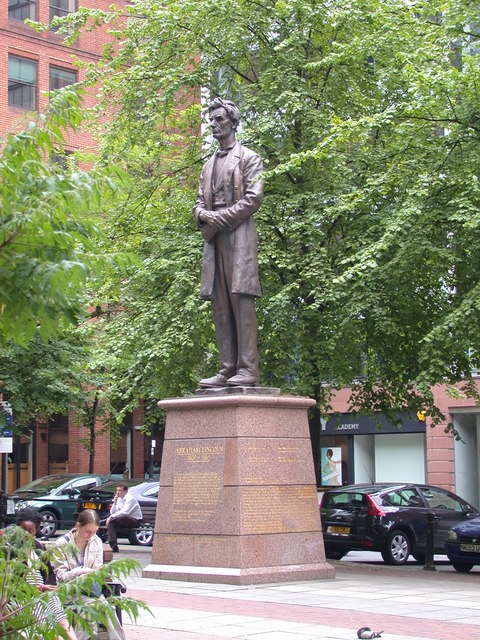
“I destroy my enemies when I make them my friends.”
Abraham Lincoln
While the Manchester Peace Garden was carefully relocated to a new site in the redeveloped Lincoln Square, sadly, the “Messenger of Peace” statue wasn’t re-sited there. I have located a Freedom of Information (FOI) request from 2017 that states the statute is in storage.
The request also mentions a forgotten sculpture, the “Sign of the Millwright,” a large iron cog on a brick plinth set at an angle, along with a metal plaque. This used to be sited next to the “Messenger of Peace”. Found the picture below, but sadly, I cannot read the inscription or find any articles about it in my research.
The FOI mentioned above states that the Museum of Science and Industry is interested in putting on display at their Liverpool Road site. If you happen to know anything about it, please reach out to me.
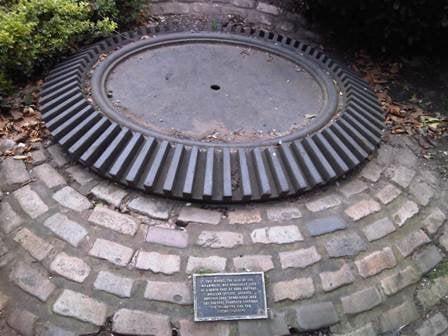
I am eager to understand the fate of both of these sculptures. I have contacted Manchester City Council to ascertain their condition and location. I will update this post in due course.
The Other Sculpture: “Doves of Peace”
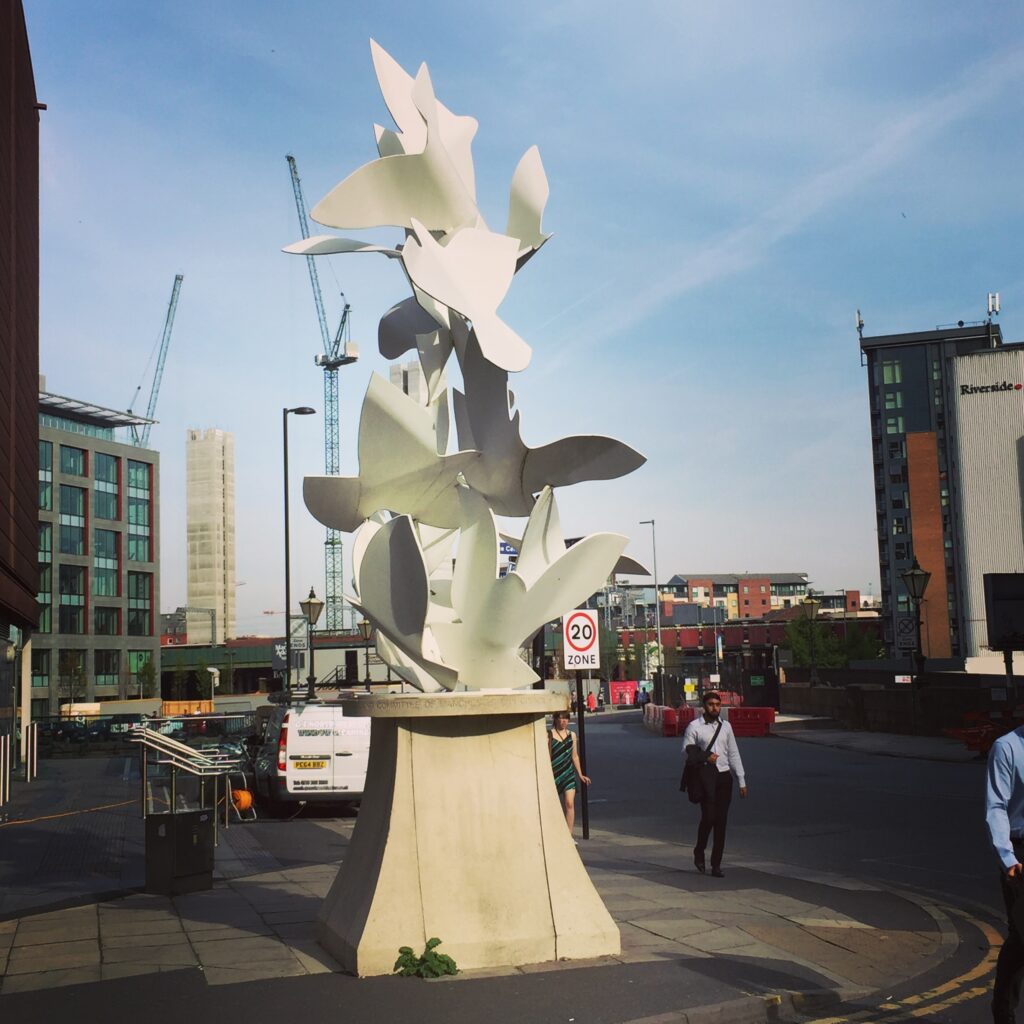
The selection panel for the Peace Garden also favoured another entry, “Doves of Peace,” presented by Michael Lyons, a lecturer in Fine Art at Manchester Polytechnic.
The design comprises 15 white doves with entwined wings rising to the sky. It’s quite a striking piece, and I can see the similarities between this and the iconography that Manchester City Council adopted.
The panel took the unusual approach of commissioning and locating a second sculpture at Albert Place, near Albert Bridge, a short walk from the first sculpture. This was installed in September 1986 and remains there to this day.
The sculpture, which was installed in September 1986, comprises 15 white doves, their wings entwined, rising to the sky.
Splitting of the Atom
Whilst Manchester City Council was laudable for denoting Manchester as a nuclear-free city, it would be remiss of us to ignore its significant historical role concerning nuclear science.
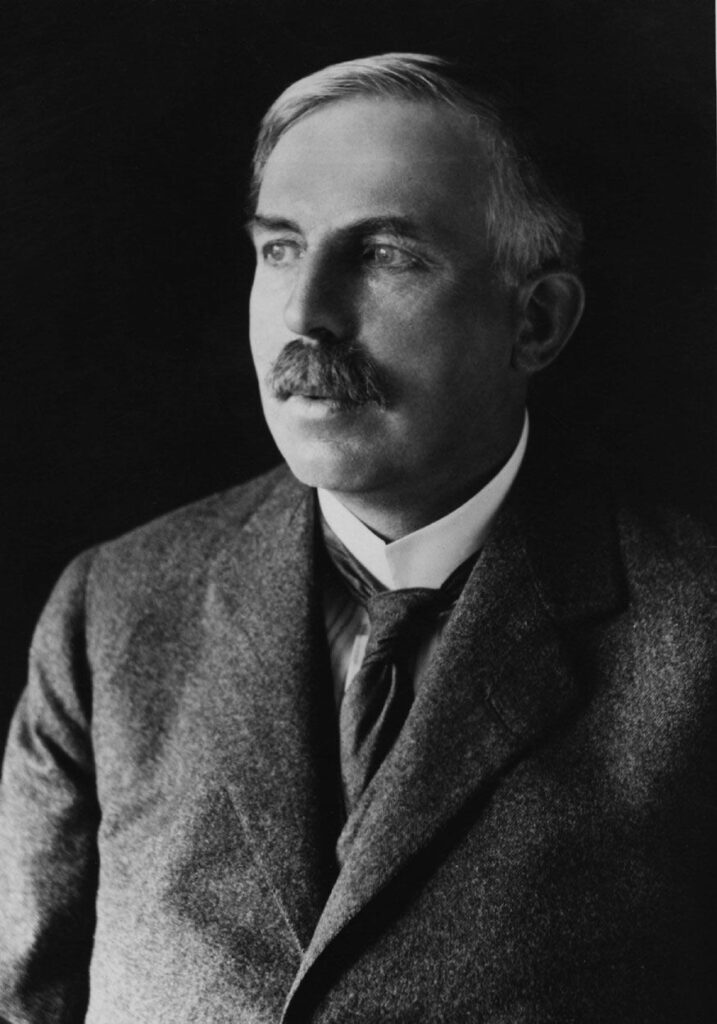
Ernest Rutherford (1871-1937) was a New Zealand-born British physicist who became known as the “father of nuclear physics.” His groundbreaking work revolutionised our understanding of atoms and radioactivity, with terms coined by him that are still being used today.
In 1907, he took the chair of physics at the Victoria University of Manchester, where he continued researching alpha radiation with Hans Geiger.
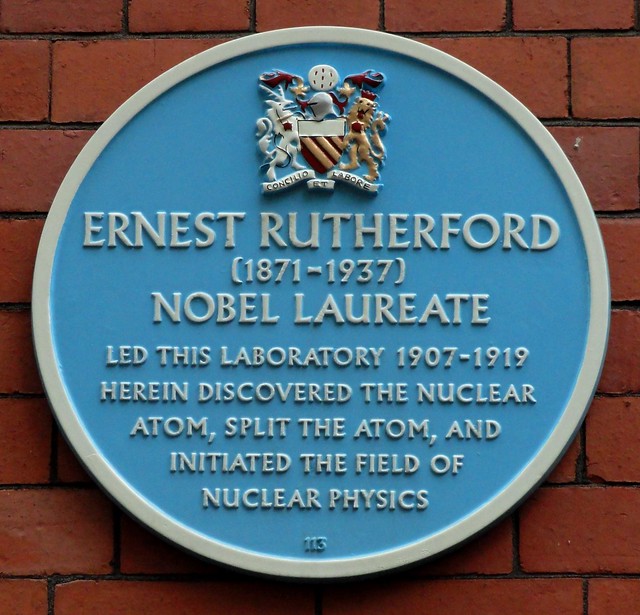
Blue plaque in Manchester for Ernest Rutherford (Image: Peter Hughes on Flickr)
He received the Nobel Prize in Chemistry in 1908 for his investigations into the disintegration of the elements and the chemistry of radioactive substances.
His revolutionary research led us to understand nuclear science and, in turn, the creation of atomic bombs…
TL;DR
Manchester once had the white dove as its mascot (before the bee); they wanted to become a ‘nuclear-free city’ and commissioned a peace garden and sculpture. However, they ended up commissioning two different sculptures.
The main one was re-sited during redevelopment works in 2011; we do not know where it is or its neighbouring cog sculpture.
A lecturer at the university researched nuclear science; his work was revolutionary.